I’m a very proud Canadian. In part, it stems from my background in sport and the pride I felt wearing the maple leaf on my chest. It also comes from having travelled the world and gaining perspective on the positive contributions Canada has made globally. As we look to navigate the geo-political climate of 2026, I feel a new sense of responsibility to champion opportunities for our Canadian led business to support responsible resource development and show the world that the economy, natural resources, and the environment don’t need to be at odds with each other.
If you’ve followed 360 Engineering & Environmental (360 EEC) for any length of time, you may have come across our phrase, supporting development with the end in mind. While it often appears as a vision statement, it reflects a way of thinking that guides how we make decisions across our business.
We hire team members with the end in mind, considering not only where someone is today, but the impact they can have over time. We collaborate with partners and clients with the end in mind, aligning early on intended outcomes, responsibilities, and long-term implications. In practice, the phrase is less about development itself and more about accountability for what development creates.
Throughout 2026, we will explore how this approach shows up across our projects, sectors, and partnerships. My intention is in reflecting our commitment to supporting meaningful development while anticipating the environmental and regulatory responsibilities that come with successful project outcomes.
A Global Focus on Closure Planning
The current global environment is creating renewed opportunity for Canadian-led resource and infrastructure development. Mining, energy, and large-scale infrastructure projects continue to demonstrate Canada’s capacity to deliver complex work responsibly and competitively. This opportunity carries a responsibility to plan not only for what is built, but for how projects are managed, transitioned, and ultimately closed.
As CEO of 360 EEC, I do not see ambition and accountability as opposing forces. Supporting Canada’s development advantage means pairing scale and achievement with early, integrated consideration of regulatory requirements, environmental performance, and long-term stewardship. Closure planning gives that progress durability.
2026 Trends in Closure
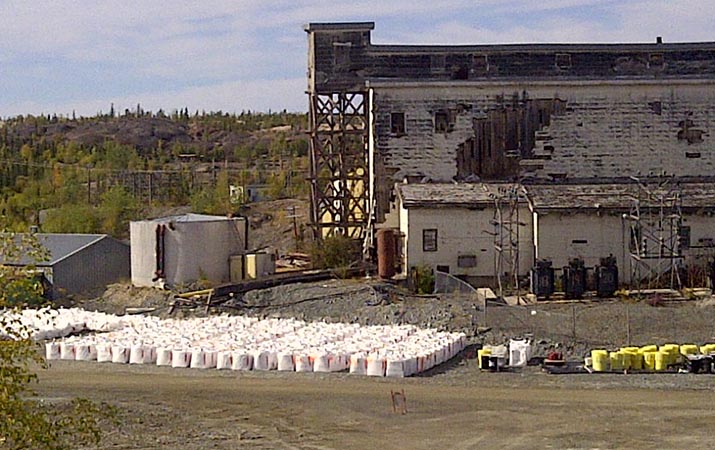
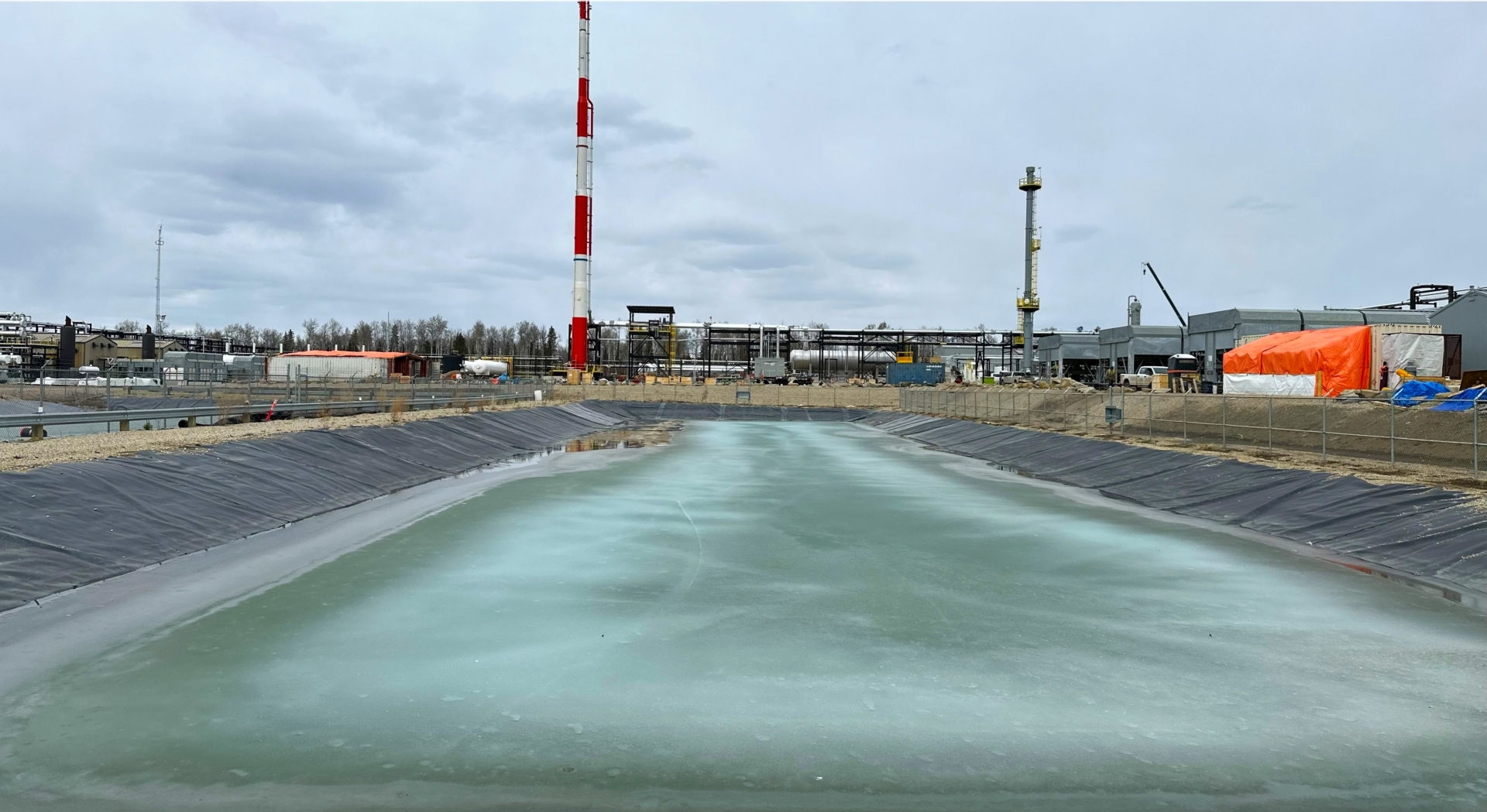
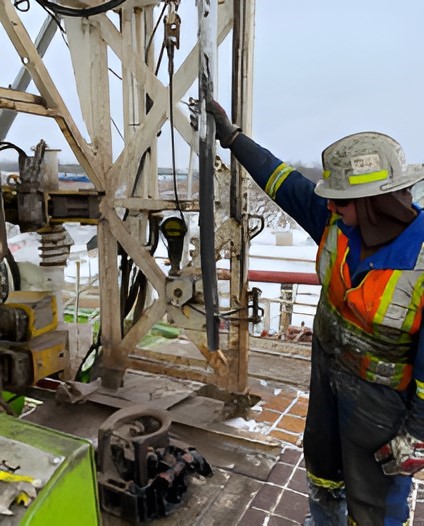
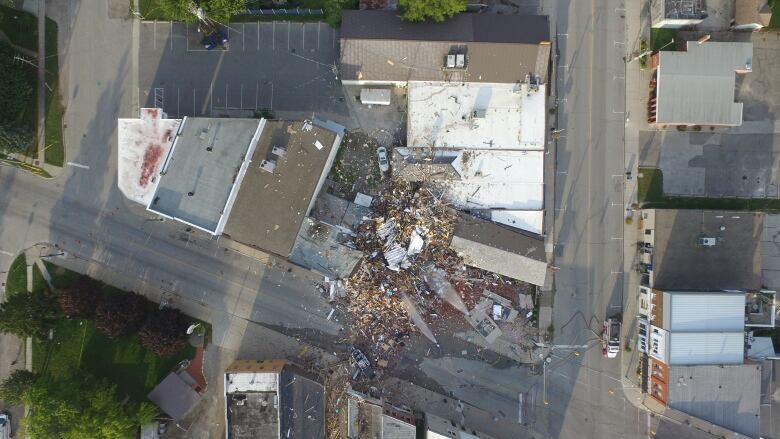
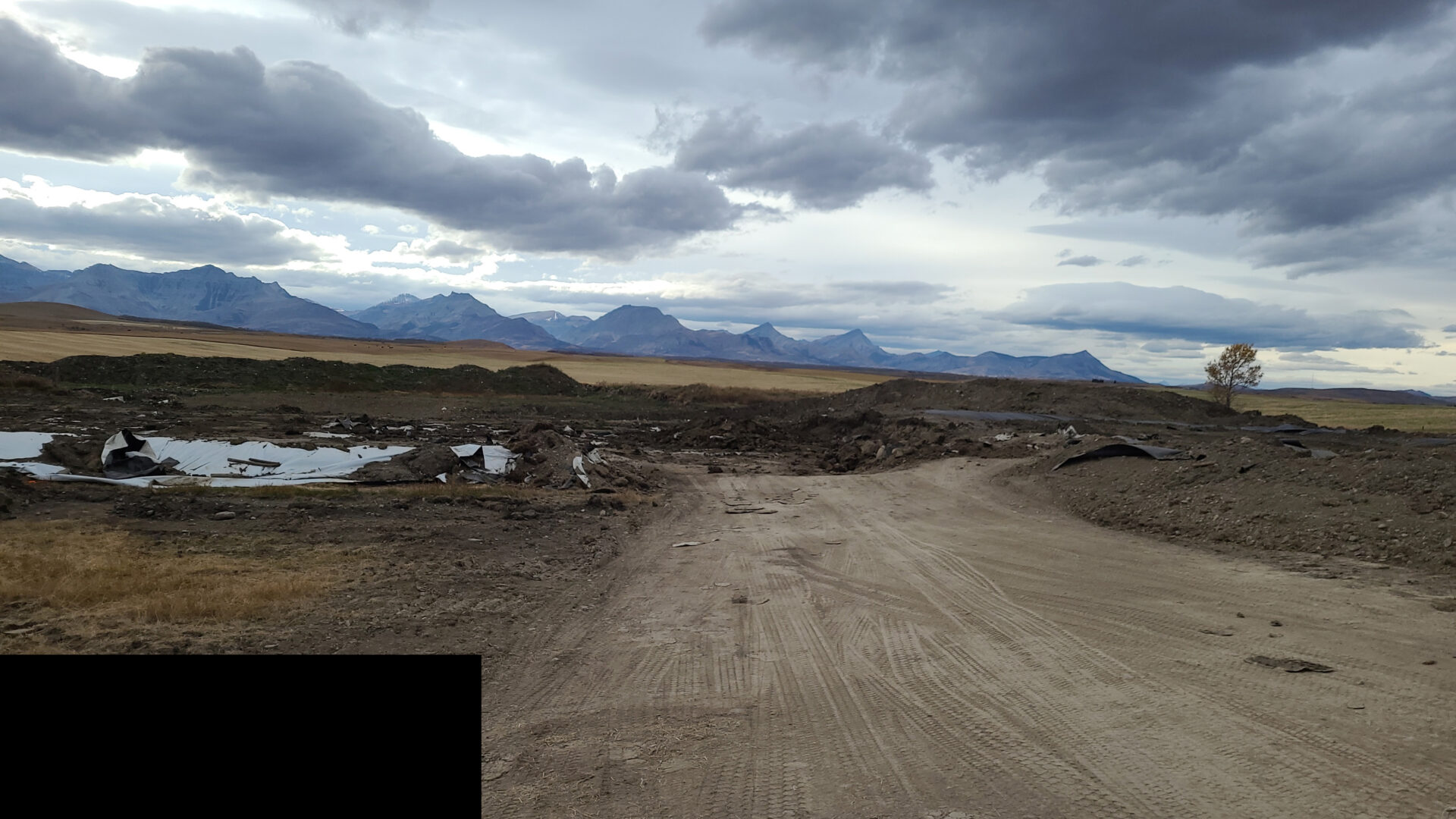
Over the past five years we’ve introduced 360 EEC’s Accelerated Closure Model. The model brings together early planning, integrated technical disciplines, and regulatory and community alignment to support closure outcomes across sectors. What was once treated as a late-stage obligation now appears earlier in development, financing, and transaction decisions.
As we move into 2026, this shift is evident. Regulators, courts, and capital markets are setting clearer expectations for how closure obligations are planned and documented. Deferred closure decisions are drawing increased scrutiny through enforcement actions, security requirements, and review of how assets are structured and transferred.
Recent legal and regulatory developments in the energy sector highlight this direction. Courts and regulators are showing greater willingness to examine corporate structures to ensure environmental liabilities are addressed. These signals extend beyond oil and gas and are influencing how risk is assessed across mining, infrastructure, and industrial development.
Against this backdrop, accelerated site closure is not about speed for its own sake, it is about certainty. Early, integrated closure planning allows asset owners to make better decisions at the development stage, reducing long-term liability exposure, strengthening regulatory confidence, and avoiding the cascading costs that arise when closure is deferred or fragmented.
I see this as a defining feature of the next phase of development in Canada. Ambitious projects remain essential to economic growth, but the bar for responsibility is higher. Planning for closure is no longer the final chapter of a project. It is central to how credible, resilient projects are delivered.
Summary
The next phase of development in Canada will be defined not only by what we build, but by how well we plan for the full lifecycle of those projects. If we are bold, there is an opportunity to demonstrate global leadership by exporting Canadian expertise and knowledge to help other jurisdictions achieve similar outcomes.
At 360 EEC, supporting development with the end in mind is more than a phrase. It reflects our commitment to clarity, accountability, and long-term thinking by aligning economic progress, regulatory responsibility, and environmental stewardship from day one.
Yours in closure,
Ryan Smith
About the Author
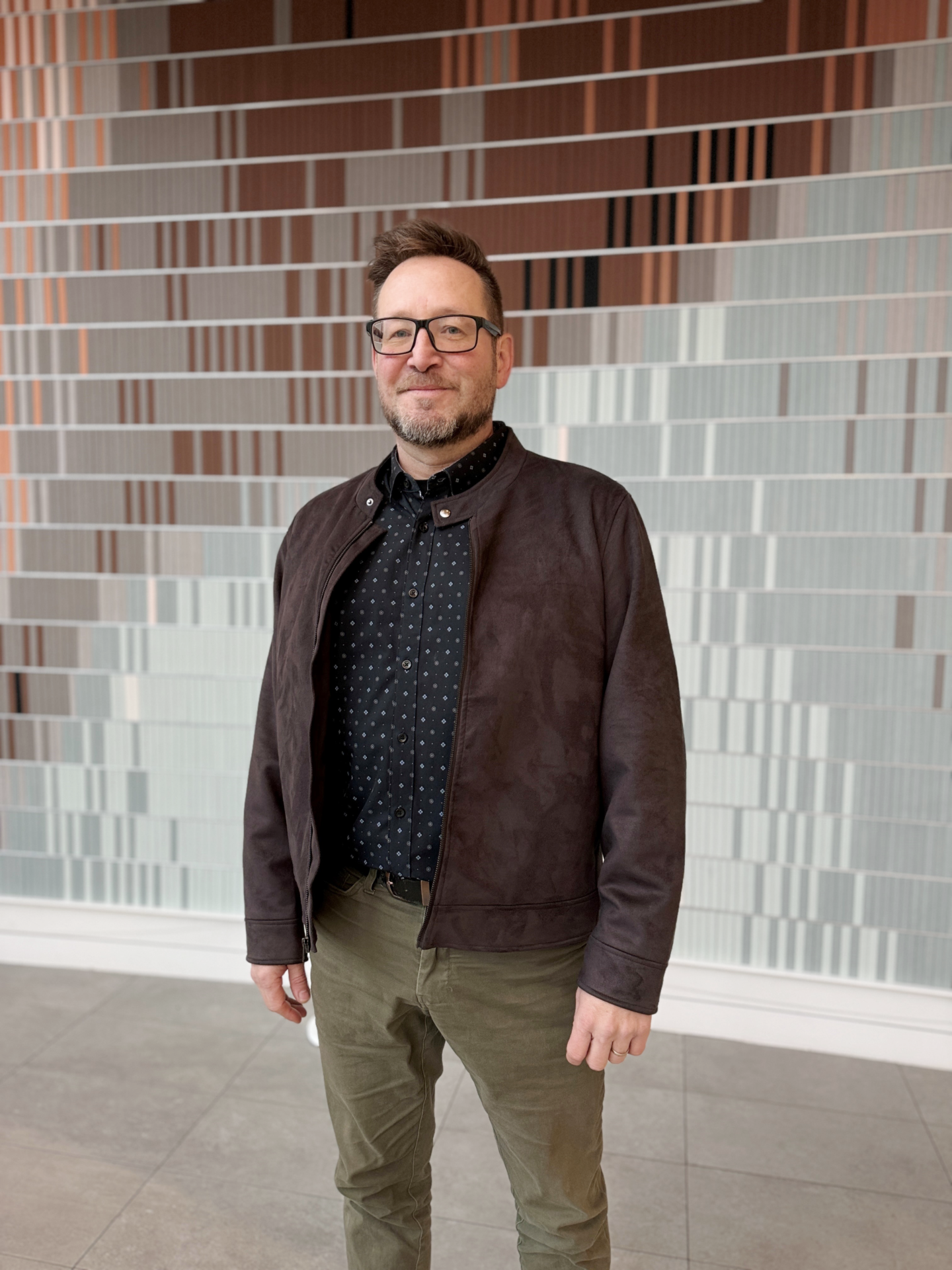
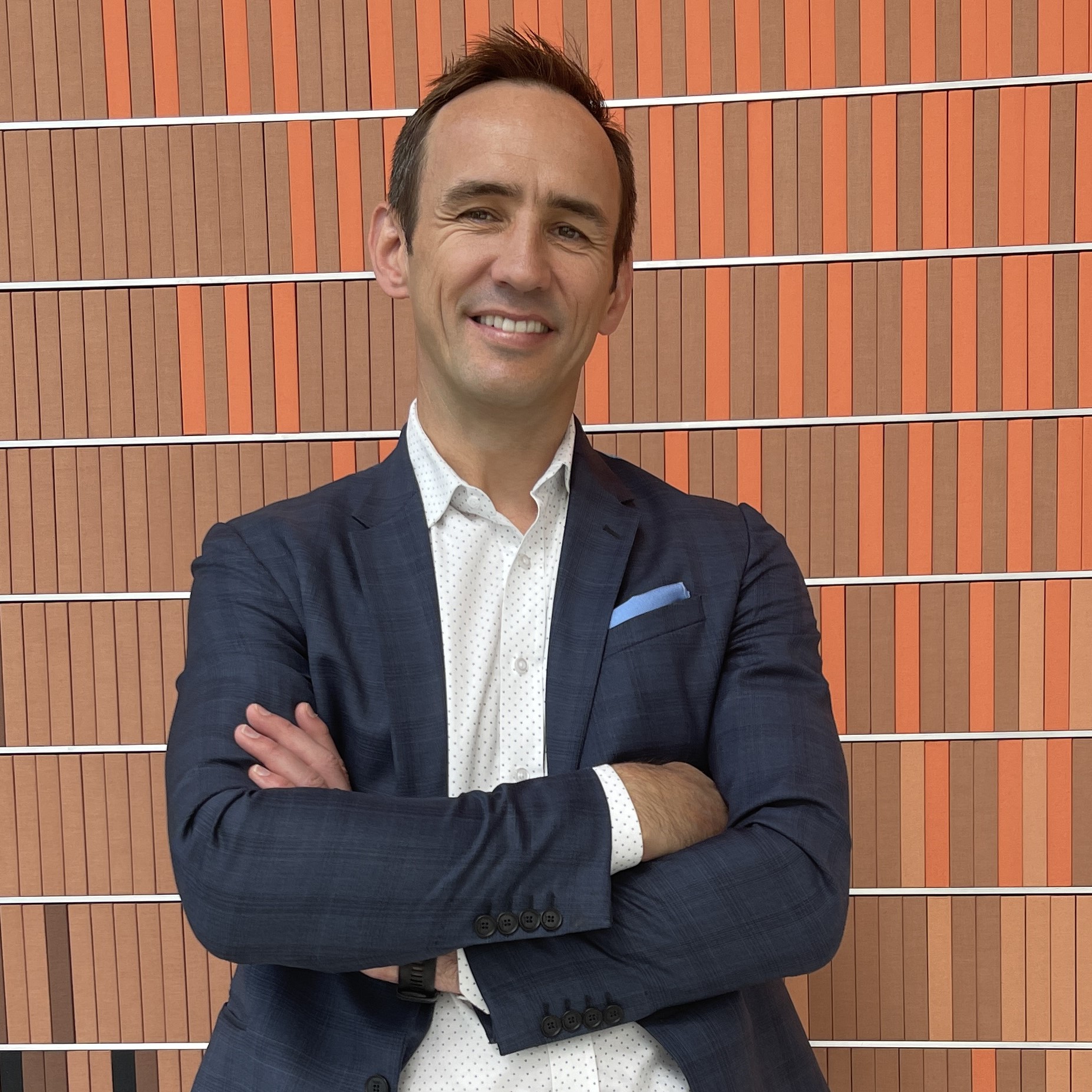
Ryan Smith, CEO
Ryan is a graduate of the University of Guelph where he completed a Bachelor of Arts, majoring in Economics. With a diverse service background, he has leveraged this into ownership positions in multiple oilfield service businesses. His vision and energy drives growth for 360 while infusing an entrepreneurial spirit into the corporate culture. Ryan pushes industry engagements and business interactions to propel 360 to the forefront of the liability management sector. The transition to team leader and entrepreneur came easily for Ryan having completed a first career as a professional rugby player. A former captain of the Canadian team, he played 51 games, 3 Rugby World Cups and played professionally in France and New Zealand.